K. Anis Ahmed · October 12, 2026 · 4 min read
Building Things That Outlast You
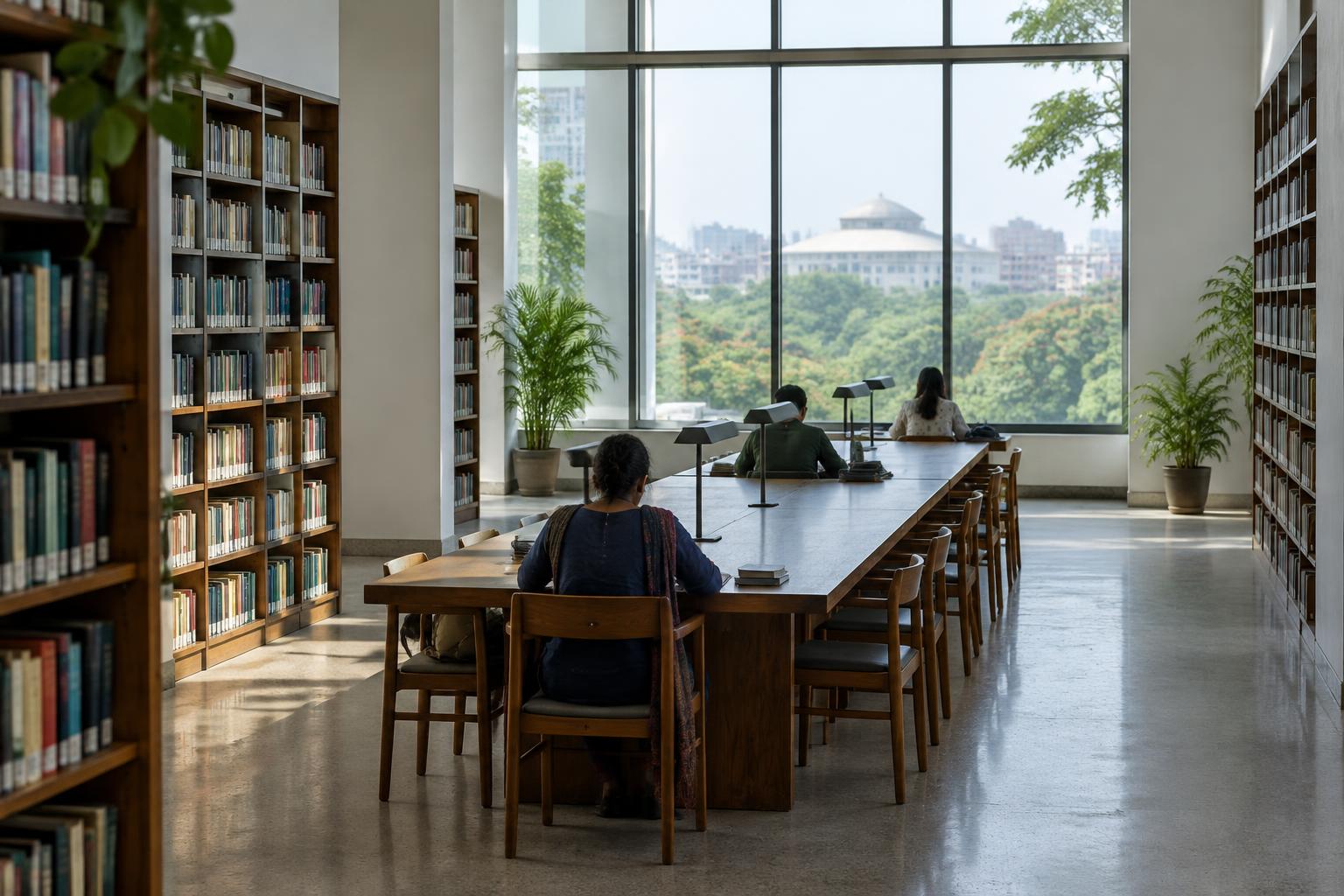
Most of my work over the past two decades has happened off the page.
Alongside the books, there was a quieter project: helping to build the infrastructure a literary culture needs to sustain itself. Co-founding the Dhaka Lit Fest. Serving as Publisher of the Dhaka Tribune. Helping to establish the University of Liberal Arts Bangladesh. None of it was writing, exactly. All of it was in service of writing.
Why institutions matter
A book is a solitary act. A literary culture is not. It needs festivals where writers and readers meet in person, newspapers that take ideas seriously, universities that treat the humanities as more than an ornament. Without that scaffolding, even the most gifted writer works in a kind of silence.
Bangladesh has never lacked for talent. What it has sometimes lacked is the connective tissue — the platforms where that talent can be seen, argued with, and carried forward.
The test of what you build
The goal has always been to create platforms that outlast individual careers — places where the next generation of writers can develop their craft and find their audiences.
That, to me, is the only real measure. A festival that depends on its founders has not yet succeeded. An institution succeeds the day it no longer needs you — when it has its own momentum, its own people, its own reasons to continue.
It is a humbling standard, and a clarifying one. It means the work is not about authorship or credit. It is about leaving behind something sturdier than yourself.
A literature with two tongues
What excites me now is the range of the writing emerging from Bangladesh, in both Bengali and English. These are not competing traditions. They are two channels of the same current, and a mature literary culture makes room for both.
The writers coming up do not need permission from the capitals of publishing abroad. They need readers, editors, platforms, and the confidence that their particular corner of the world is worth writing about with ambition. Building those conditions has been some of the most meaningful work of my life.
What comes next
I do not know exactly what the literary landscape here will look like in ten years. I know it will be richer than it is now, and that the people shaping it are, in many cases, already at work.
If some small part of that is because a festival existed, or a paper published a first essay, or a university took a young writer seriously — that is a legacy worth more than any single book.